
 by
by 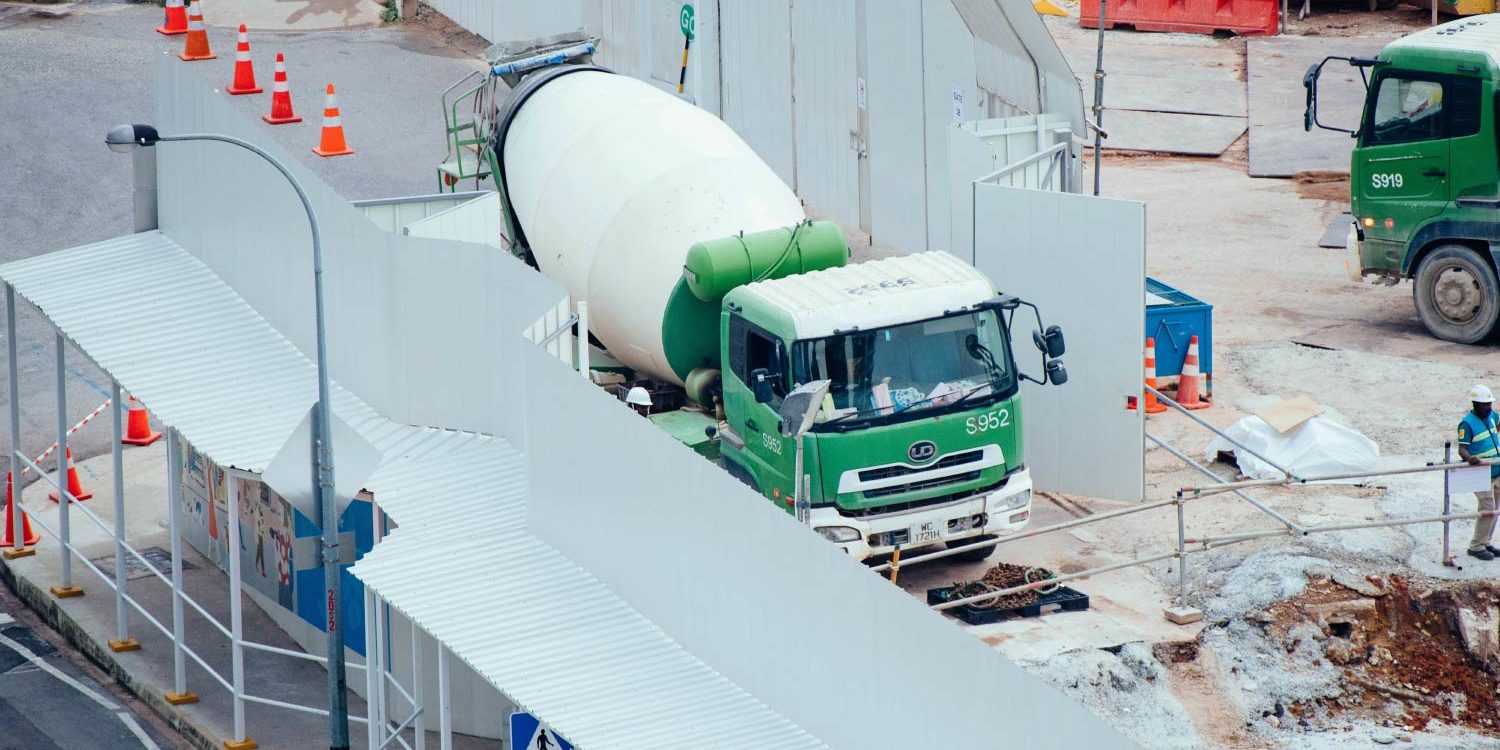
Real estate development is the process of transforming land and existing properties into valuable assets that serve residential, commercial, industrial, or mixed-use purposes. It is one of the most dynamic and influential sectors of the economy, combining vision, planning, finance, construction, and market strategy. Through real estate development, vacant land becomes thriving neighborhoods, outdated buildings are revitalized, and communities gain the homes, workplaces, and infrastructure needed to support growth.
At its core, real estate development begins with identifying an opportunity. Developers analyze market trends, demographics, and economic conditions to determine where there is demand for new housing, retail centers, office buildings, hotels, or industrial facilities. They search for properties or parcels of land that can be acquired and improved to meet that demand. The ability to recognize potential where others see only unused or underutilized space is one of the defining characteristics of successful developers.
Feasibility study
Once a suitable opportunity is identified, the developer conducts a feasibility study. This process examines zoning regulations, environmental conditions, construction costs, financing options, and projected revenues. The goal is to determine whether the project is technically possible and financially viable. During this stage, developers work closely with architects, engineers, consultants, and financial analysts to prepare detailed plans and budgets.
Financing is a critical component of real estate development. Projects often require significant capital, which is typically raised through a combination of developer equity, private investors, and bank loans. Developers create financial models to estimate returns and demonstrate the project’s profitability. These models help secure funding and guide decision-making throughout the development process.
Developers create financial models to estimate returns and demonstrate the project’s profitability.
The approval and permitting phase is often one of the most challenging aspects of development. Developers must obtain zoning approvals, building permits, environmental clearances, and other regulatory authorizations. This process may involve negotiations with local authorities, public hearings, and consultations with community stakeholders. Successful developers balance profitability with compliance and community needs.
Construction phase
After approvals and financing are in place, construction begins. Developers coordinate contractors, suppliers, and project managers to ensure the work is completed on time and within budget. Throughout the construction process, they monitor quality, control costs, and address unexpected issues such as material shortages or design changes.
Once construction is complete, the property is marketed for sale or lease. Residential developments may be sold to homeowners, while commercial properties are leased to businesses and investors. The income generated from sales or rentals is used to repay lenders and provide returns to investors.
Market conditions

Real estate development involves considerable risk. Market conditions can change, costs may exceed estimates, and regulatory delays can affect profitability. For this reason, developers must be skilled in risk management, negotiation, and strategic planning. They also need strong leadership and communication abilities to coordinate the many professionals involved.
Beyond financial rewards, real estate development has a profound impact on society. It creates jobs, improves neighborhoods, increases tax revenues, and provides essential housing and business space. Thoughtful development can revitalize communities and enhance quality of life for generations.
Real estate development is the process of turning land and properties into productive and valuable assets. It requires vision, financial expertise, technical knowledge, and the ability to manage complex projects. By creating spaces where people live, work, and invest, real estate development plays a fundamental role in economic growth and community transformation.



Join The Discussion