
 by
by 
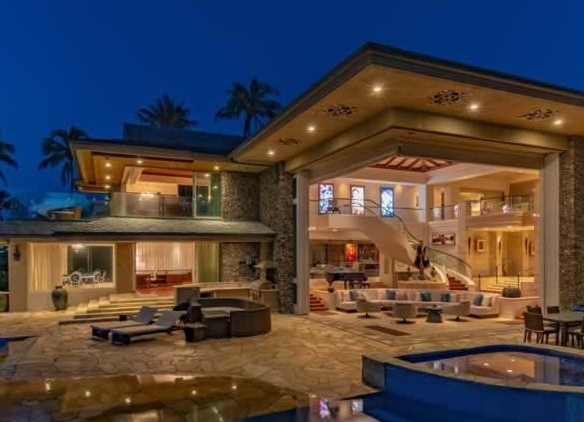
Residential construction is the process of designing and building homes where individuals and families live. It is one of the most important sectors of the construction and real estate industries because it provides the housing necessary to support growing communities and improve quality of life. From single-family homes and townhouses to apartment complexes and condominiums, residential construction shapes neighborhoods and creates spaces that offer comfort, security, and long-term value.
The residential construction process begins with planning and design. Developers, architects, and engineers work together to create homes that are functional, attractive, and compliant with local building regulations. During this stage, floor plans are developed, material selections are made, and budgets are established. The goal is to design homes that meet market demand while balancing affordability, durability, and aesthetic appeal.
Construction phase
Once the design is complete, the site is prepared for construction. This involves clearing the land, grading the terrain, and installing essential infrastructure such as roads, drainage, water lines, and electrical connections. A strong and properly prepared foundation is then constructed to support the structure and ensure long-term stability.
The framing stage follows, during which the structural skeleton of the house is built using wood, steel, or concrete. Roof systems, walls, and floors are assembled, giving the home its shape and layout. After framing, major systems such as plumbing, electrical wiring, heating, ventilation, and air conditioning are installed.
Roof systems, walls, and floors are assembled, giving the home its shape and layout.
The next phase includes insulation, drywall, flooring, cabinetry, painting, and fixture installation. Kitchens and bathrooms are completed, and interior finishes are applied to create comfortable living spaces. Exterior work, including roofing, windows, siding, landscaping, and driveways, is also completed during this stage..
Quality control
Quality control and inspections are critical throughout the construction process. Building inspectors verify that the structure meets safety codes and regulatory standards. Contractors and project managers monitor workmanship to ensure that the home is built according to design specifications and budget requirements.
Residential construction requires careful financial planning. Costs include land acquisition, permits, labor, materials, utilities, and financing. Developers often use construction loans and equity investments to fund projects. Successful budgeting and cost control are essential to maintaining profitability while delivering quality homes.
Modern residential construction increasingly emphasizes sustainability and energy efficiency. Builders incorporate high-performance insulation, energy-efficient windows, solar panels, water-saving fixtures, and environmentally friendly materials. These features reduce operating costs and create healthier living environments for homeowners.
Economic impact
Residential construction also has a significant impact on the economy. It creates employment for architects, engineers, contractors, suppliers, and many skilled tradespeople. New housing developments stimulate local businesses, increase tax revenues, and support broader economic growth.
Despite its benefits, residential construction involves challenges such as fluctuating material prices, labor shortages, weather delays, and changing regulations. Successful builders overcome these obstacles through strong planning, experienced teams, and effective project management.
Residential construction is a vital industry that transforms land and materials into homes that serve as the foundation of family life and community development. By combining design, engineering, finance, and craftsmanship, residential construction delivers safe, comfortable, and valuable living spaces. Its impact extends beyond individual houses, contributing to economic growth, social stability, and the long-term development of communities.

Join The Discussion