
 by
by 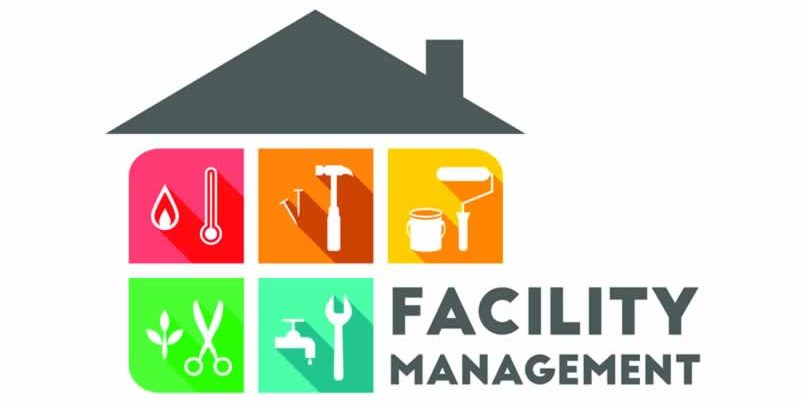
Facility management is the professional discipline of ensuring that buildings, infrastructure, and support services operate efficiently, safely, and cost-effectively. It encompasses the coordination of people, processes, and technology to maintain and improve the environments where individuals live, work, learn, and receive services. From office buildings and hospitals to schools, resorts, factories, and residential complexes, facility management plays a vital role in preserving property value and supporting organizational performance.
At its core, facility management focuses on creating functional and comfortable spaces. Facility managers oversee building systems such as heating, ventilation, air conditioning, lighting, plumbing, electrical installations, fire protection, and security systems. They ensure that these systems are maintained properly and operate reliably, minimizing disruptions and extending the life of the asset.
Hard and soft services
Facility management is generally divided into two main areas: hard services and soft services. Hard services involve the technical and physical aspects of a building, including maintenance of mechanical and electrical systems, structural components, and regulatory compliance. Soft services include cleaning, landscaping, waste management, reception, catering, and other support functions that enhance the occupant experience.
One of the primary goals of facility management is operational efficiency. Facility managers develop maintenance schedules, coordinate contractors, monitor service performance, and control operating costs. Preventive maintenance is particularly important because it helps identify and resolve issues before they lead to costly breakdowns or safety hazards.
Facility managers develop maintenance schedules, coordinate contractors, monitor service performance, and control operating costs.
Health and safety are central responsibilities in facility management. Managers ensure compliance with building codes, occupational safety regulations, and environmental standards. They implement emergency procedures, conduct inspections, and oversee risk assessments to protect occupants and assets.
Financial management
Financial management is also a key component of the profession. Facility managers prepare budgets, negotiate service contracts, and analyze operating expenses. By optimizing energy use, reducing waste, and extending equipment life, they help organizations lower costs and improve long-term financial performance.
Sustainability has become increasingly important in modern facility management. Energy-efficient lighting, water-saving systems, smart building controls, and renewable energy technologies are widely used to reduce environmental impact. Sustainable facility practices not only support environmental goals but also lower operating costs and enhance building performance.
Technology has transformed the industry. Computerized Maintenance Management Systems (CMMS) and Integrated Workplace Management Systems (IWMS) allow managers to schedule maintenance, track assets, monitor energy consumption, and generate detailed reports. Platforms such as IBM Maximo, Planon, and Archibus help streamline operations and improve decision-making.
Productivity and user satisfaction

Facility management has a direct impact on productivity and user satisfaction. Well-maintained buildings create safer, healthier, and more comfortable environments. Employees are more productive, customers have better experiences, and organizations can focus on their core activities without being distracted by operational issues.
In conclusion, facility management is a multidisciplinary profession dedicated to maintaining and optimizing the built environment. By integrating maintenance, safety, finance, technology, and sustainability, facility managers ensure that properties operate efficiently and continue to meet the needs of their occupants. Their work is essential to protecting assets, controlling costs, and supporting the success of businesses and communities alike.



Join The Discussion